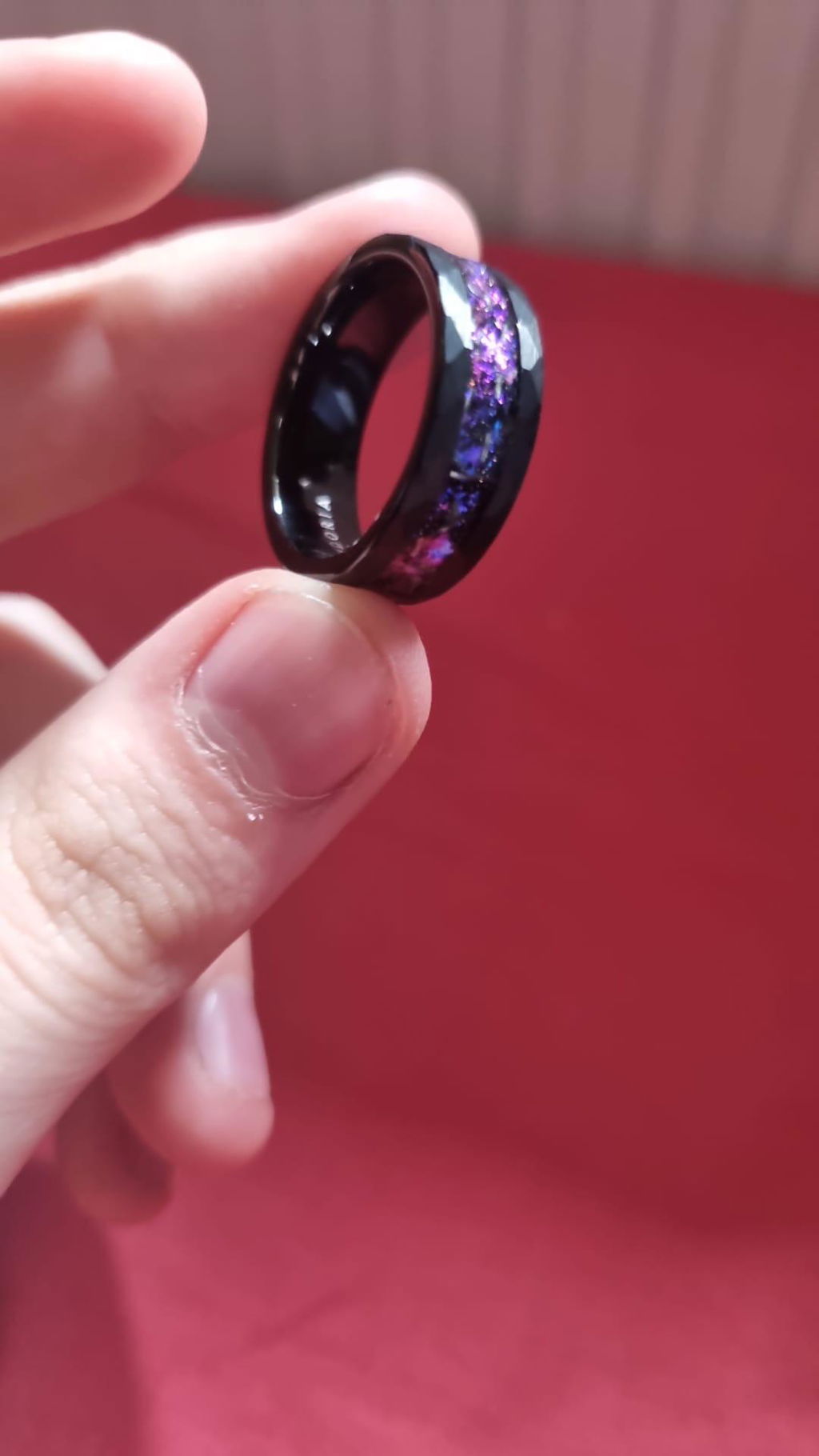
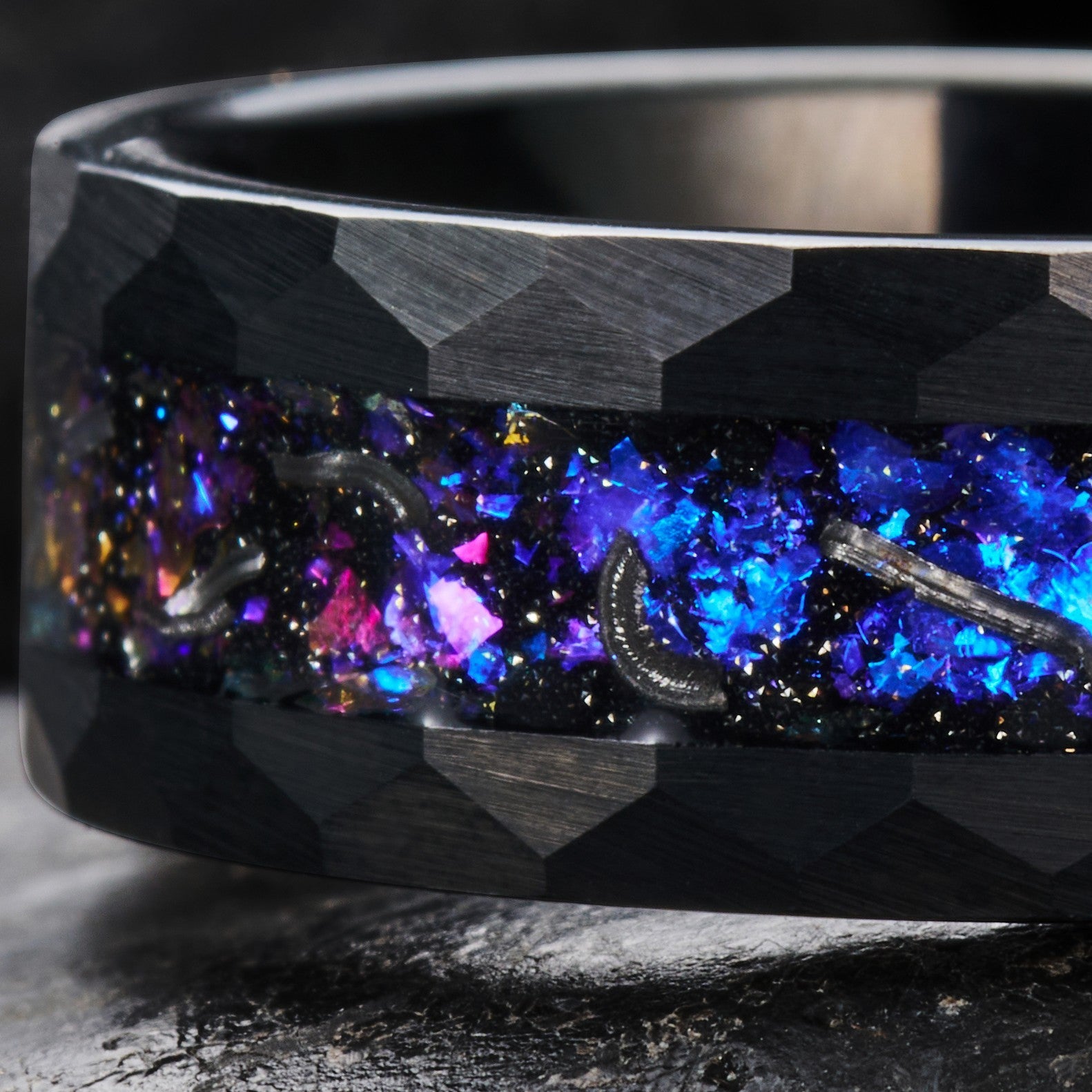
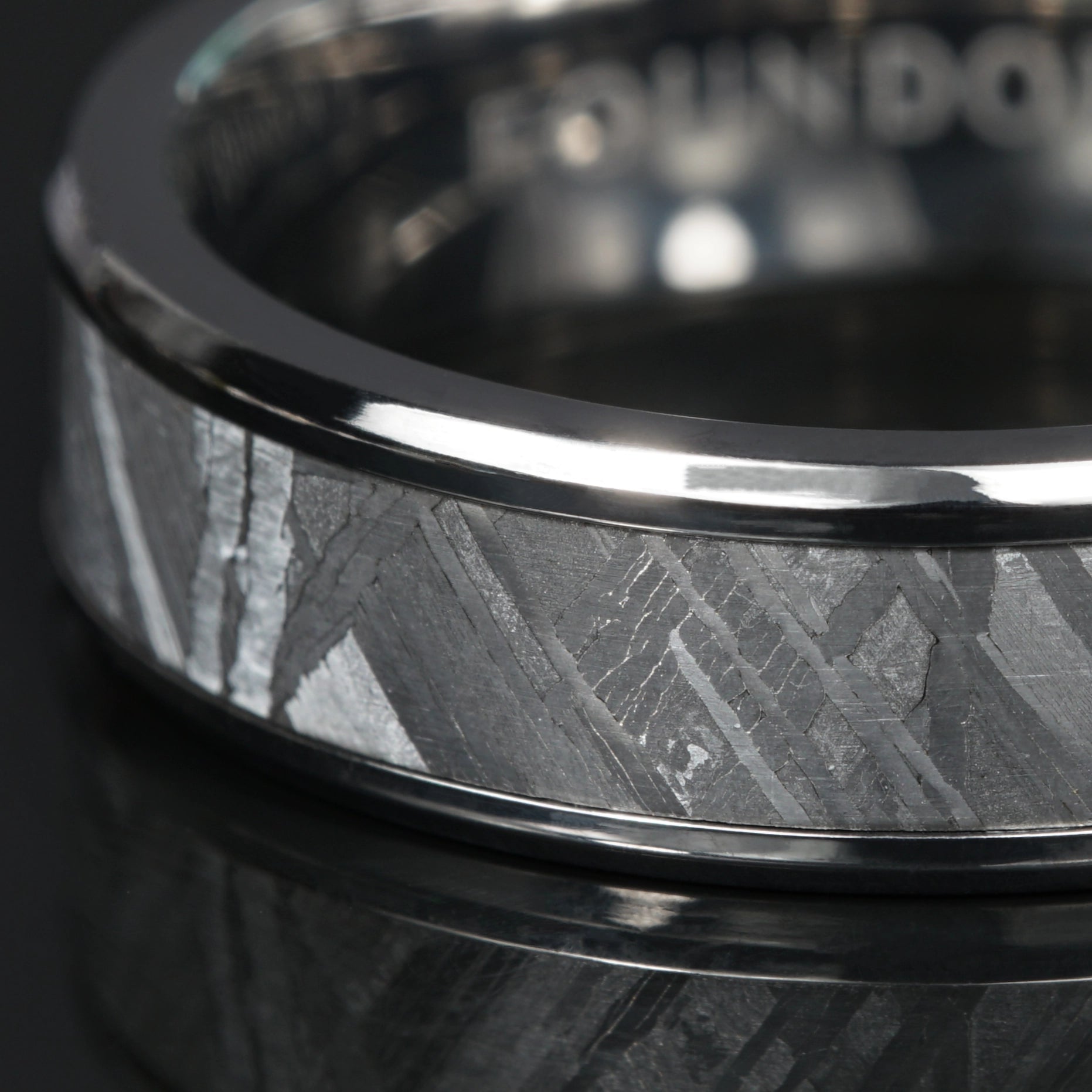
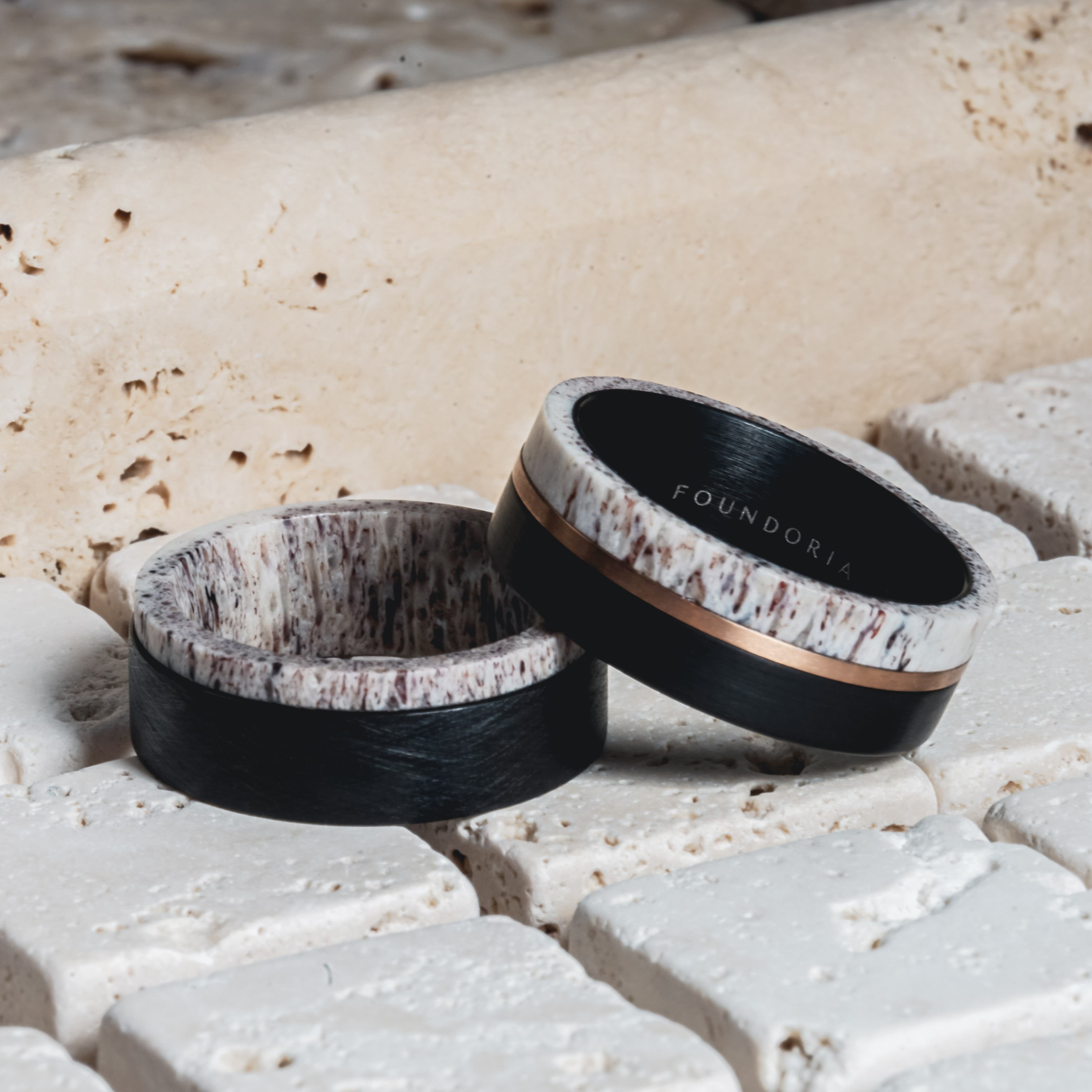

Hypoallergenic Rings for Sensitive Skin: Tested and Certified
If you've ever had a ring leave a green mark on your finger, a rash after a long day, or an itch that wouldn't quite go away, you're not imagining it. Metal allergies are more common than most jewellers let on, and the cause is almost always the same: nickel.
The good news is that modern ring materials have largely solved the problem. Titanium, high-grade tungsten carbide, carbon fibre, and medical-grade silicone sit in an entirely different category from traditional jewellery metals — engineered for skin contact, independently tested, and built for people who want to wear a ring without ever thinking about whether it's reacting with them.
Every Foundoria ring is independently tested and certified hypoallergenic. Here's what that actually means, why it matters, and which materials suit which kind of wearer.
Why Ring Allergies Happen (And Who's Affected)
Somewhere between 10 and 20 percent of adults have a nickel allergy, and the numbers are higher in women than men. It's one of the most common contact allergies in the world, and rings are a particularly common trigger because they sit in constant contact with skin that's often damp from sweat, handwashing, or daily activity.
The reaction itself is almost always contact dermatitis: redness, itching, small blisters, sometimes a persistent rash that only clears when the ring comes off. It's rarely dangerous, but it's frustrating enough that many people simply stop wearing rings altogether rather than keep trying to find one that works.
The cause isn't usually the metal you think you bought. White gold, sterling silver, and cheaper stainless steel rings often contain nickel as an alloy or binder — sometimes a significant percentage of the overall composition. You're allergic to the nickel; the metal that was marketed to you is almost incidental.
What Makes a Ring Genuinely Hypoallergenic
The word "hypoallergenic" gets used loosely in jewellery marketing. Technically, it means a material is unlikely to cause an allergic reaction — but unlikely varies wildly depending on the metal, the grade, and how it's been manufactured. Here's what actually matters across the materials we use at Foundoria.
Titanium
Biocompatible — the body doesn't recognise it as foreign, which is why it's used for surgical implants, dental posts, and pacemaker housings. The safest ring metal available for sensitive skin, with decades of medical evidence behind it.
Tungsten Carbide
Hypoallergenic when manufactured with a low-nickel binder. Foundoria uses high-grade tungsten carbide tested to EN 1811:2023 — the current EU/UK standard for nickel release. Results come back below the laboratory detection limit of 0.05 μg/cm²/week, which is ten times lower than the REACH threshold. Safe for the vast majority of wearers, including those with mild nickel sensitivity.
Carbon Fibre
Completely metal-free. For wearers with severe or multi-metal allergies, carbon fibre removes the question entirely. Lightweight, durable, and an aerospace-grade material that happens to make an exceptional ring.
Medical-Grade Silicone
Included as a complimentary companion band with every Foundoria order. Flexible, breathable, and completely inert — ideal for gym, sport, manual work, or any environment where your metal ring isn't practical. Medical-grade silicone is used in surgical equipment and is safe for prolonged skin contact.
The Tungsten Question: Is It Really Safe for Allergy Sufferers?
This comes up often enough that it deserves a direct answer. Tungsten carbide rings aren't pure tungsten — they're a composite, where tungsten particles are bonded together using a metallic binder. The binder is where the nickel question lives.
Cheap, mass-produced tungsten rings (the kind you'll find at unbranded marketplaces for £20) often use high-nickel binders to cut costs. For anyone with even a mild nickel sensitivity, these can absolutely cause reactions.
Higher-grade tungsten carbide uses low-nickel binders specifically because the jewellery market now expects hypoallergenic performance. Every Foundoria tungsten ring is tested by an IAS-accredited laboratory against REACH Annex XVII Item 27 using the current EN 1811:2023 method. Nickel release comes back as "Not Detected": below the laboratory's detection limit of 0.05 μg/cm²/week, which is ten times lower than the REACH legal threshold of 0.5 μg/cm²/week. Our tungsten rings are safe for the vast majority of wearers — including those with mild nickel sensitivity.
That said, REACH compliance isn't an absolute guarantee of zero reaction for every individual. A small number of people are severely sensitised to nickel at trace levels and may still experience irritation from any tungsten product, regardless of binder quality. For those cases, we'd always recommend titanium or carbon fibre instead.
The short version: not all tungsten rings are equal, and if you have sensitive skin, the difference matters. If you'd like to compare tungsten to other options in detail, our tungsten vs silver and tungsten vs titanium guides go deeper.
How We Test and Certify
Every Foundoria ring is independently tested for safe skin contact before it's listed for sale. Testing is conducted by an IAS-accredited laboratory operating under the ILAC/IAF Mutual Recognition framework — the same international accreditation standard used by regulators across the EU, UK, and US.
EN 1811:2023 — Nickel Release Testing
Our tungsten is tested against the current EN 1811:2023 method for nickel release from items in prolonged skin contact — the standard referenced by REACH Annex XVII Item 27. Results come back below the laboratory's detection limit of 0.05 μg/cm²/week, which is ten times lower than the REACH legal threshold of 0.5 μg/cm²/week. We're not passing REACH by a small margin — we're passing by an order of magnitude.
REACH Annex XVII — Lead and Cadmium Limits
Lead and cadmium content are tested using IEC 62321-5:2013 (ICP-OES analysis). Both return "Not Detected" results — below the 10 mg/kg detection limit, well under the REACH limits of 500 mg/kg for lead and 100 mg/kg for cadmium.
Why This Matters
Anyone can call a ring "hypoallergenic." Independent testing by an accredited lab, against named current standards, with documented results available for inspection — that's what turns the claim into something verifiable. Test certificates are available on request for customers, stockists, and compliance teams.
Who Hypoallergenic Rings Suit Best
Not everyone who buys a hypoallergenic ring has a diagnosed metal allergy. Many people buy them simply because they're tired of discolouration, irritation, or the low-level annoyance of a ring that never quite feels right. Here's who benefits most.
Diagnosed Nickel Allergy
If you've had reactions to costume jewellery, watches, or previous rings, titanium and carbon fibre are the safest bets. Both are metal-free or biocompatible at a level that won't trigger a nickel response.
Sensitive Skin, No Diagnosis
If rings leave you with redness, mild itching, or green marks but you've never been formally tested, you're likely reacting to nickel at low concentrations. Any Foundoria material will resolve this.
Active Lifestyles
Gym, sport, manual work, medical settings. The silicone companion band included free with every order is designed for environments where your metal ring is impractical or unsafe to wear.
First-Time Ring Wearers
If you've avoided rings because of previous reactions, our hypoallergenic range removes that barrier entirely. No trial and error — every ring is certified from day one.
If You Have a Severe Nickel Allergy
REACH-compliant tungsten is safe for most people with mild nickel sensitivity, but for severe or medically-diagnosed nickel allergies, we'd always recommend a metal-free or biocompatible alternative. The safest options in our range are titanium (biocompatible, used in surgical implants) and carbon fibre (completely metal-free).
If you'd like specific material recommendations based on your sensitivity, get in touch — we're happy to help you choose a ring you can wear with confidence.
Hypoallergenic Rings from Foundoria
A cross-section of our range — from biocompatible titanium to metal-free carbon fibre. Every piece below is independently tested and certified for sensitive skin.


Explore by Collection
Every collection in the Foundoria range is independently tested and certified hypoallergenic. Choose the aesthetic that suits you — the safety is non-negotiable across all of them.
CELESTIUM
Premium titanium and tungsten paired with genuine meteorite. Cosmic materials, certified safe.
Explore CELESTIUM →CERVUS
Tungsten and titanium with Scottish deer antler inlays — naturally shed, symbolic, skin-safe.
Explore CERVUS →WELDWOOD
Tungsten or titanium fused with whisky and bourbon barrel oak. Warm, characterful, certified.
Explore WELDWOOD →TUNGRA
Minimalist tungsten carbide. Strength-forward, skin-safe, engineered with nickel-compliant binders.
Explore TUNGRA →STRATUM
Aerospace-grade carbon fibre. Ultra-lightweight, completely metal-free, and the safest option for severe allergies.
Explore STRATUM →ENDURA
Medical-grade silicone companion bands — included free with every metal ring. Flexible, active-ready, and ideal when your primary ring isn't practical.
Explore ENDURA →Frequently Asked Questions
Can tungsten rings cause allergic reactions?
Only if they're manufactured with a high-nickel binder, which is common in cheap, unbranded tungsten rings. High-grade tungsten carbide uses low-nickel binders. Every Foundoria tungsten ring is independently tested by an IAS-accredited laboratory against EN 1811:2023 — the current EU/UK standard for nickel release. Our results come back below the 0.05 μg/cm²/week detection limit, ten times lower than the REACH legal threshold. Our tungsten rings are safe for the vast majority of wearers, including those with mild nickel sensitivity. For severely sensitised individuals, we'd recommend titanium or carbon fibre as the safer alternatives.
Is titanium truly hypoallergenic?
Titanium goes further than hypoallergenic — it's biocompatible, meaning the human body doesn't recognise it as a foreign material. It's used in surgical implants, dental posts, and pacemaker housings without issue. For severe nickel allergies, titanium is the safest ring metal available.
What if I'm allergic to multiple metals?
Carbon fibre (our STRATUM collection) removes metal from the equation entirely. For severe or multi-metal allergies, it's the definitive answer — lightweight, durable, and completely inert. The complimentary silicone companion band included with every order is another metal-free option for day-to-day active wear.
How do I know a ring is genuinely hypoallergenic?
Look for independent testing by an accredited laboratory against named current standards. EN 1811:2023 is the current nickel release method referenced by REACH Annex XVII. Marketing language like "hypoallergenic" or "nickel-free" without documentation behind it is worth very little. Foundoria rings are tested by an IAS-accredited laboratory against EN 1811:2023, and test certificates are available on request.
Can hypoallergenic rings still cause irritation?
Rarely, but it can happen — usually because of trapped moisture, soap residue, or friction rather than the metal itself. If you're experiencing irritation with a certified hypoallergenic ring, remove it, dry the area thoroughly, and check for any buildup inside the band. If symptoms persist, consult a dermatologist to rule out other causes.
Are hypoallergenic rings as durable as traditional ones?
In most cases, considerably more durable. Titanium and tungsten both outperform gold, silver, and platinum on hardness and scratch resistance. Carbon fibre is lighter than any precious metal while being remarkably tough. Hypoallergenic doesn't mean fragile — quite the opposite.
Can these rings be resized?
Tungsten carbide and carbon fibre can't be resized — the material properties rule it out. Plain titanium can be resized by specialist jewellers, typically within a narrow range of about half a size, though the work is expensive enough that replacement is often more practical. Titanium rings with inlays — meteorite, antler, wood — can't be resized without disturbing the inlay itself. Because resizing options are limited across all three materials, accurate sizing before ordering matters. Use our free ring sizer to get it right first time, and we offer a free size exchange if needed.