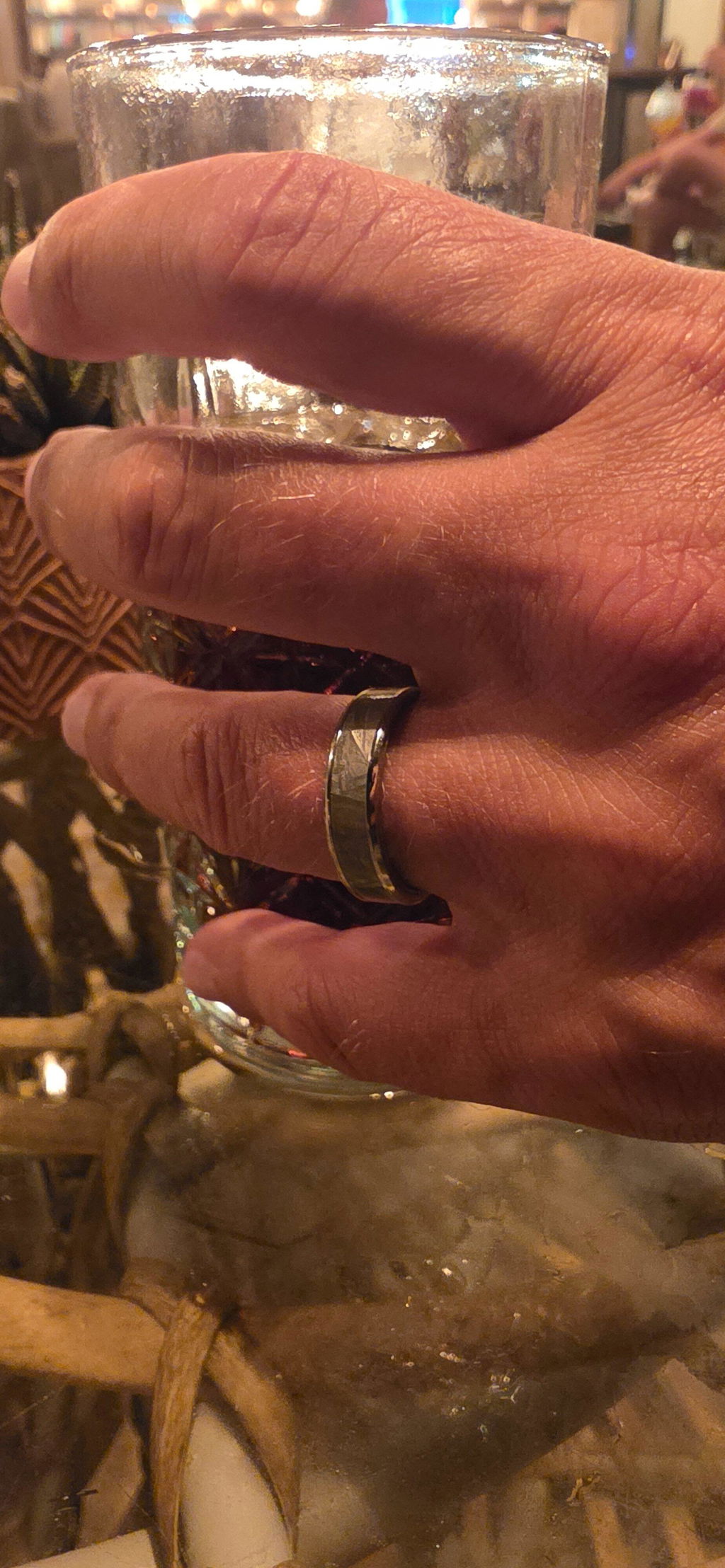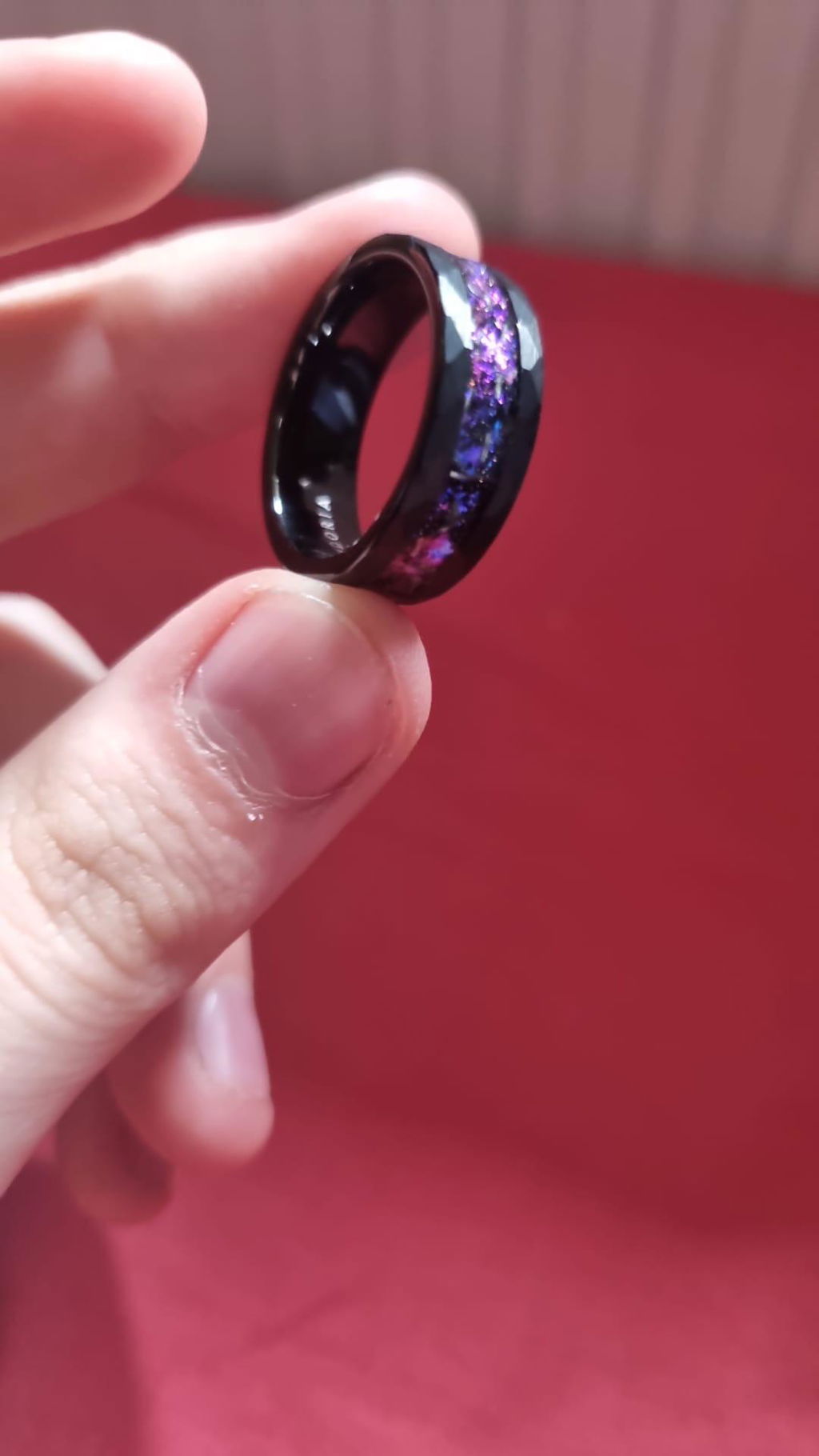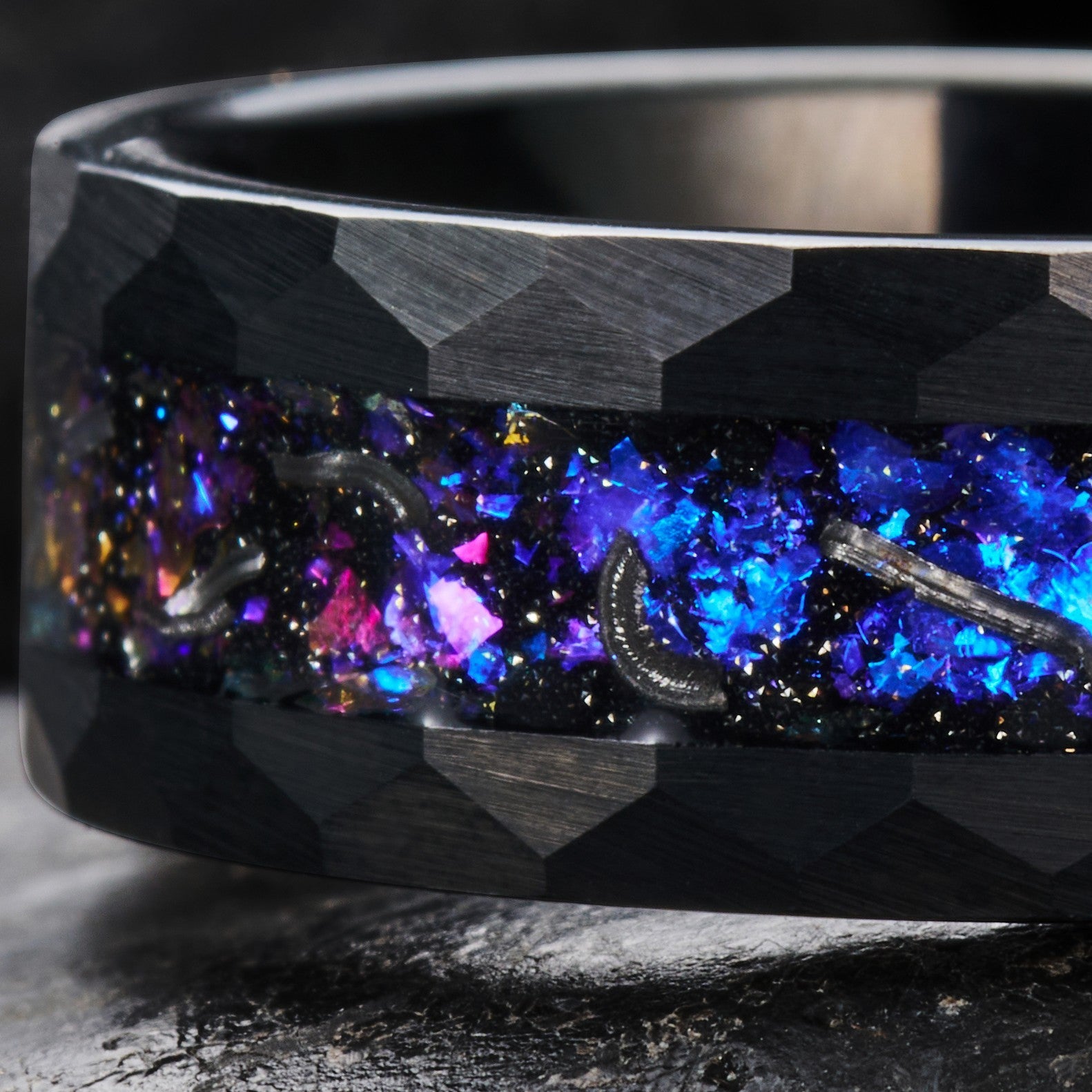
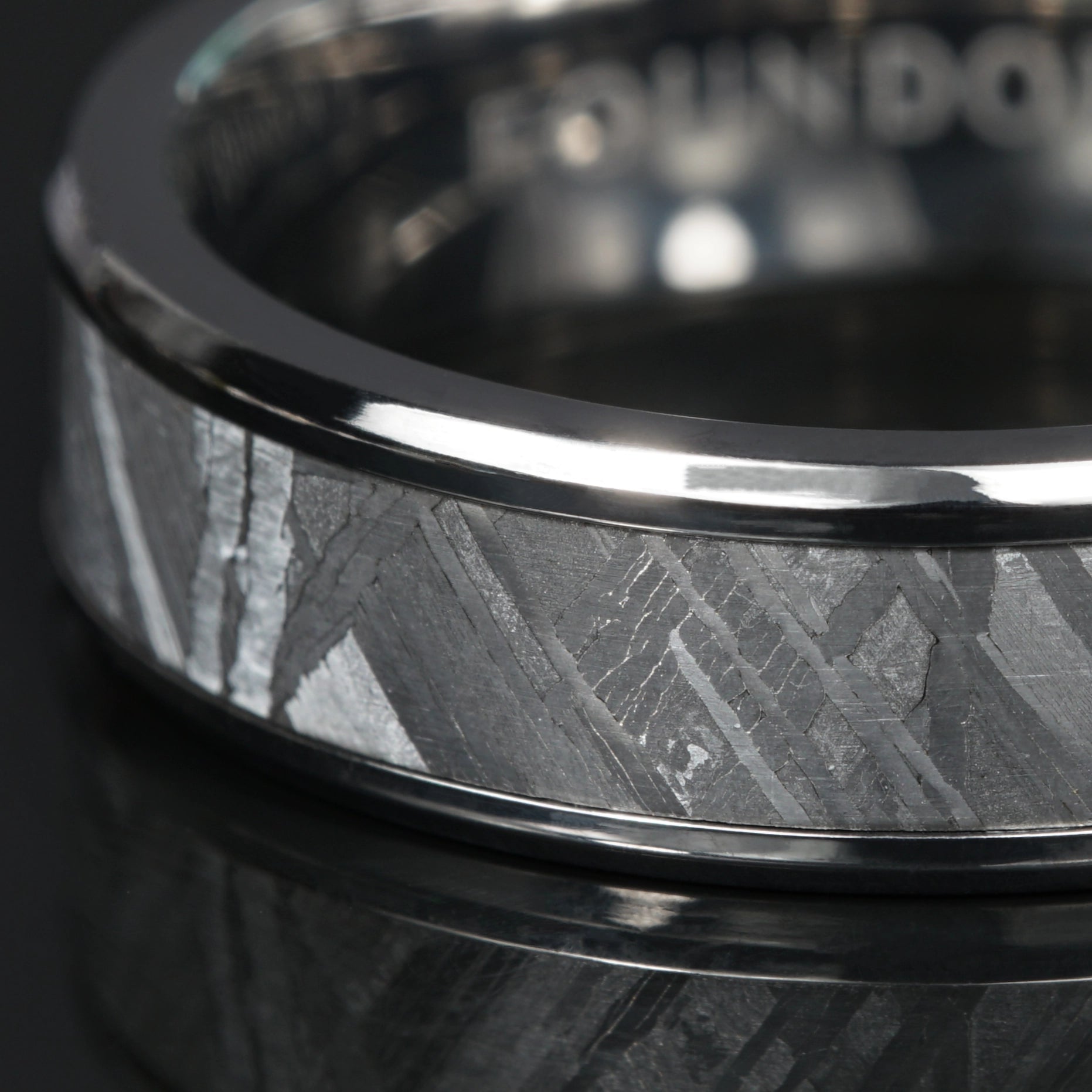
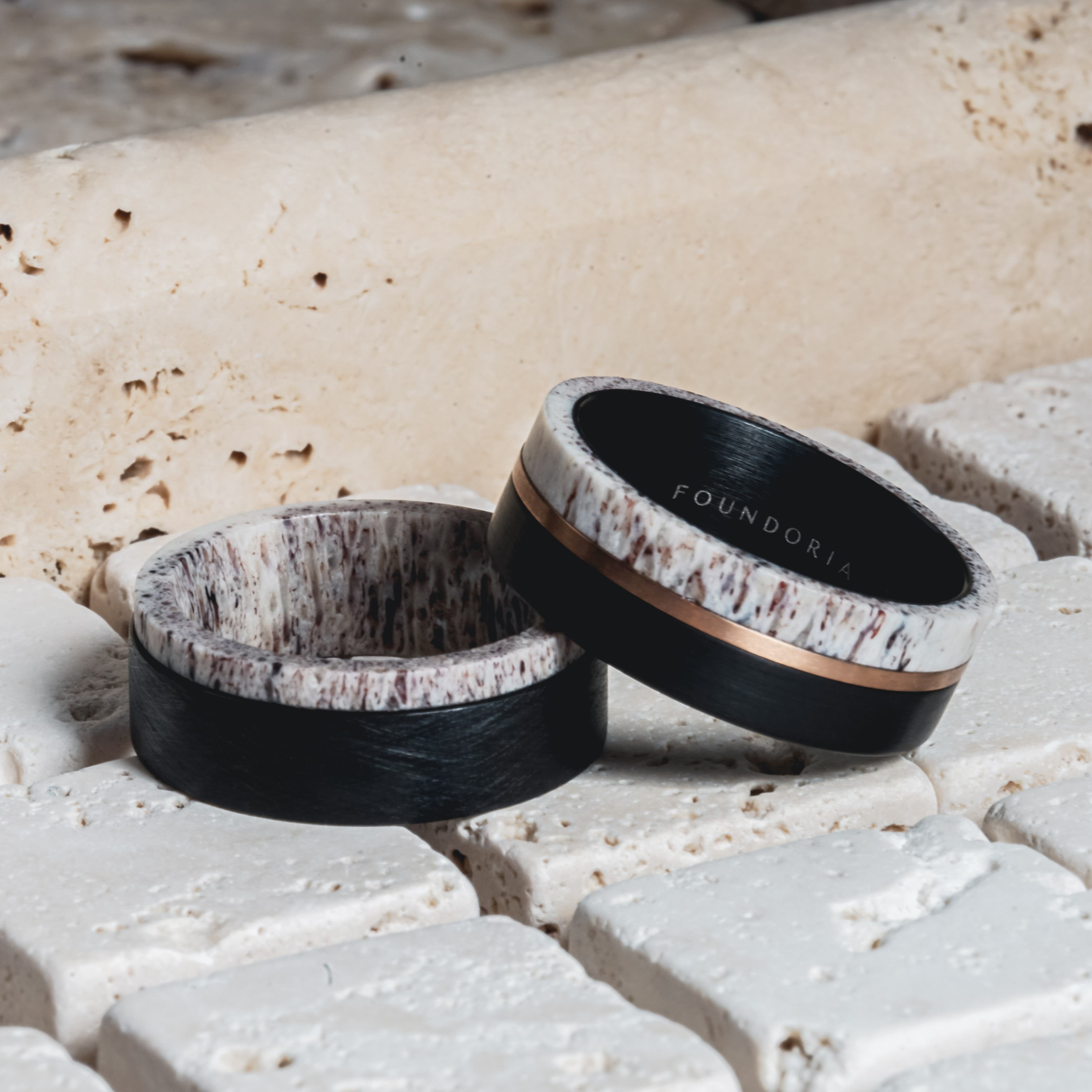
A ring sits against your skin every hour of every day, often for decades. That is a long exposure to whatever the metal is made of, and it is a reasonable thing to want evidence about rather than reassurance.
The short version: samples of our rings are tested against European REACH standards, and the testing is carried out by SGS. Below is what that actually means.
What REACH is
REACH is the European regulation that governs chemical substances in consumer products. For jewellery, the part that matters is the restriction on substances that can migrate out of an item and into the skin over prolonged contact. The regulation covers a range of substances, nickel among them, and sets limits on how much of any of them may transfer to the skin over prolonged contact.
A product that meets REACH has been measured against defined limits by a laboratory, rather than simply described as safe by whoever is selling it. That is the whole point of the standard.
Who does the testing
Testing is carried out by SGS, one of the largest independent inspection and certification companies in the world. Samples are drawn from production runs and submitted to SGS to confirm the material meets REACH requirements.
This is deliberately not self-certification. We are not testing our own rings and asking you to take our word for the result. To be precise about what it covers: testing confirms the material falls within the transfer limits REACH sets, including for nickel.
The metals, and why we chose them
Tungsten carbide. Extremely hard, so it holds a finish for years rather than months. Heavier on the hand, which many people prefer and some do not. Cannot be resized, which is why we send a free sizer.
Titanium. Very light and strong, the same grade of material used in aerospace and surgical implants. The usual choice for anyone who dislikes the feeling of a heavy ring.
Black zirconium. The black is not a coating. Zirconium is heat treated so the surface layer itself converts to a deep charcoal black, which means it will not chip off the way a plated finish can.
If you have reacted to jewellery before
Almost every story that begins “I can’t wear rings” ends with nickel. It is common in cheap alloys and in some gold and silver jewellery, and it is the substance most likely to cause a contact reaction. If that is your experience, our materials are very likely to be a different story.
Titanium and zirconium are used for surgical implants and joint replacements precisely because the body tolerates them so well, which is about as demanding a test of biocompatibility as exists. Antler, stabilised wood and cured carbon fibre are not metals at all, so there is no alloy for your skin to tolerate in the first place. None of these are materials that people typically react to.
If you have a known sensitivity and you want to be certain, tell us what you have reacted to before you order and we will point you to the right material.